Drought and Food Insecurity report

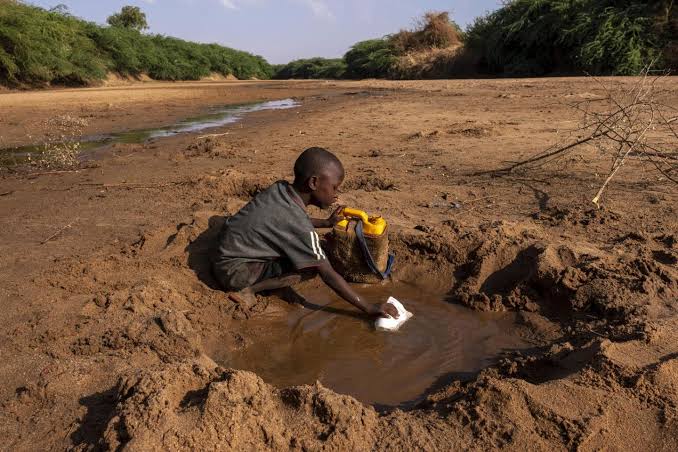
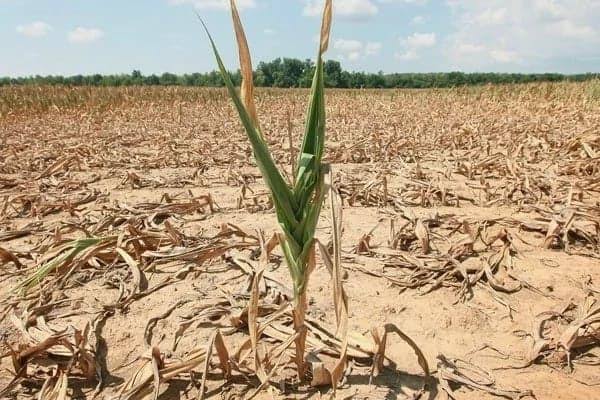
The current drought (2020 – 2022) has been the most severe and longest with widespread livelihood loses and massive displacement of populations. Currently, more than 4.2 million people representing 24% of the arid and semi arid population are facing high levels of acute food insecurity with about 2.7 million people in the Crisis phase and 785,000 people the Emergency state. This is a 10% increase from the same period in 2021 where 2.1 million people were categorized in as in emergency and crisis state.

It’s Getting Worse

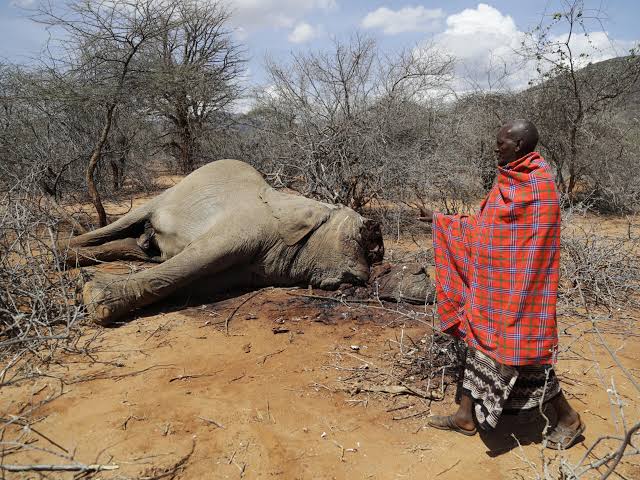
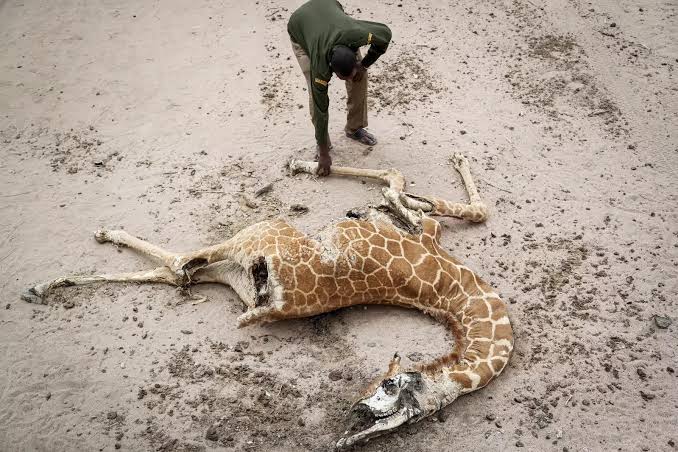
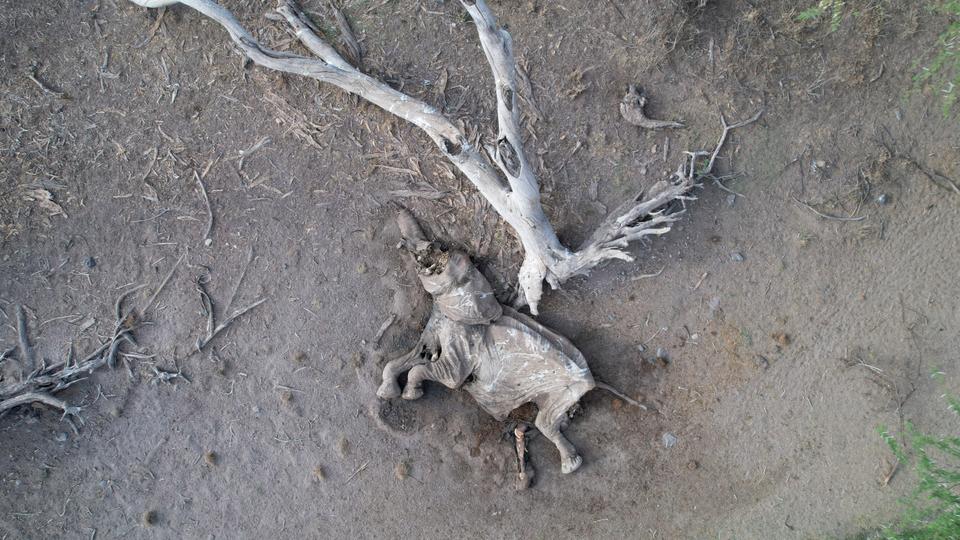
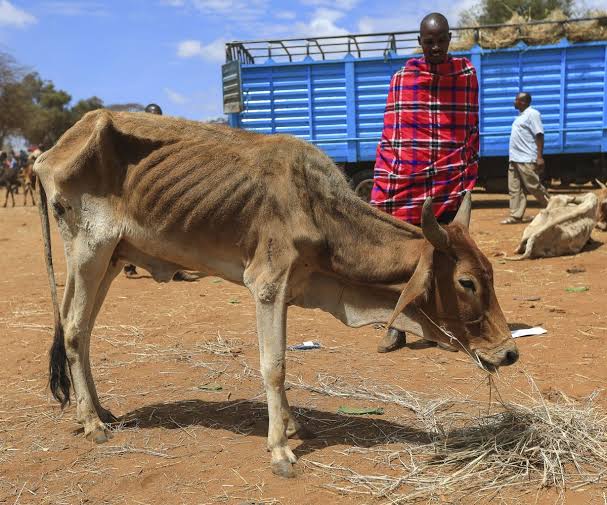
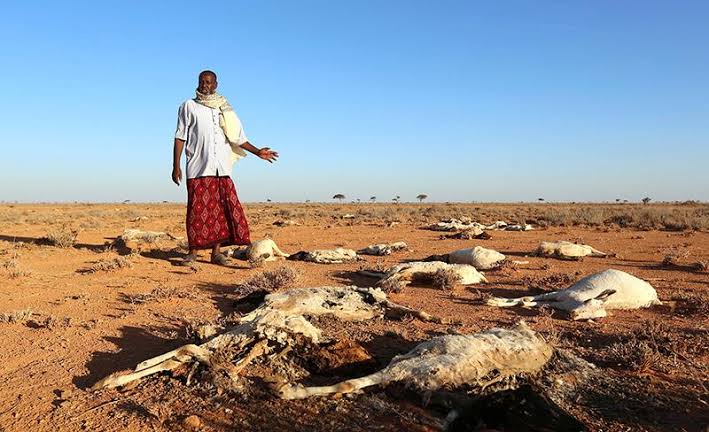
The worst drought in decades has resulted in the deaths of wildlife species such as Wildebeest 512 animals dead; common zebra 381 dead and 205 elephants all in a span of one year.

The Amboseli and Laikipia-Samburu regions (south) which are home to touristy safaris record more than 70 elephant deaths.

Some species like the gravy Zebras which are listed as Endangered on the International Union for Conservation of Nature Red List were badly hit.

The drought has caused mortality of wildlife, mostly herbivore species. The mortalities have arisen because of the depletion of food resources and, as well as water shortages.

Four consecutive rainy seasons have failed in the Horn of Africa driving families and wildlife on the brink of famine.

The Kenyan Tourism and Wildlife minister said authorities were dropping off hay for the animals.

The time to take action is now.

5 Billion Trees in 5 Years

‘The best time to plant a tree was twenty years ago. The second best time is now.’ ~ Chinese proverb.

The world isn’t an inheritance from our forebearers but a gift we pass to our children. Let us wrap it in the green of trees and the serenity of nature as we aim to plant 10 billion trees by 2032.

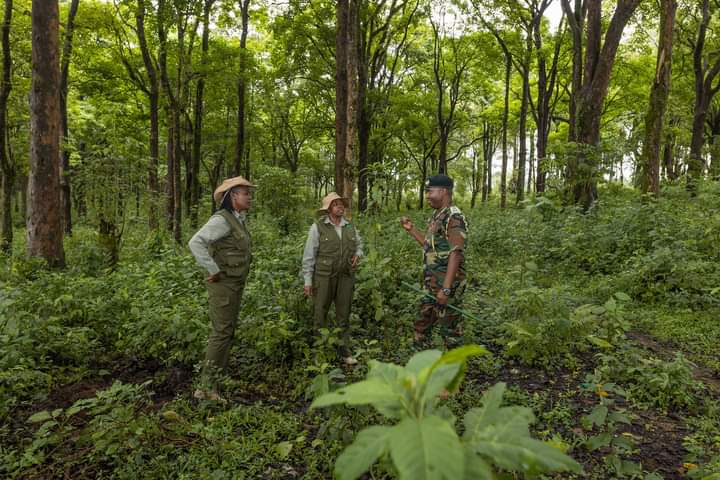
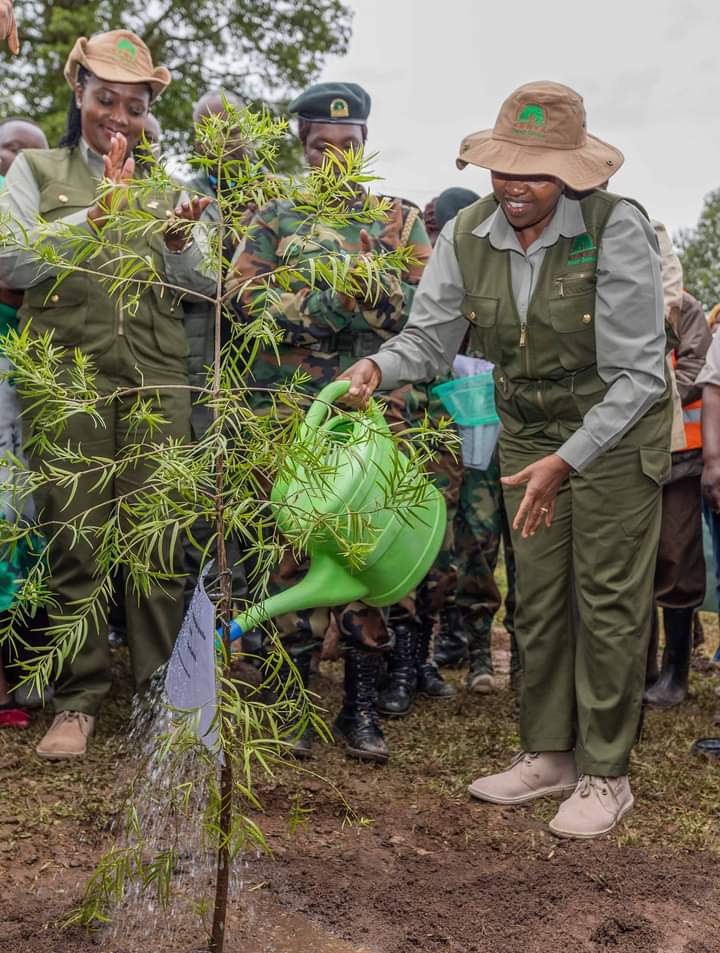
That was the message today as we adopted the only tropical rainforest in Kenya; Kakamega Forest.

The adoption and tree-planting exercise aims at restoration of one of the crucial water catchment systems in our country.

The 20,000 Tree Rally

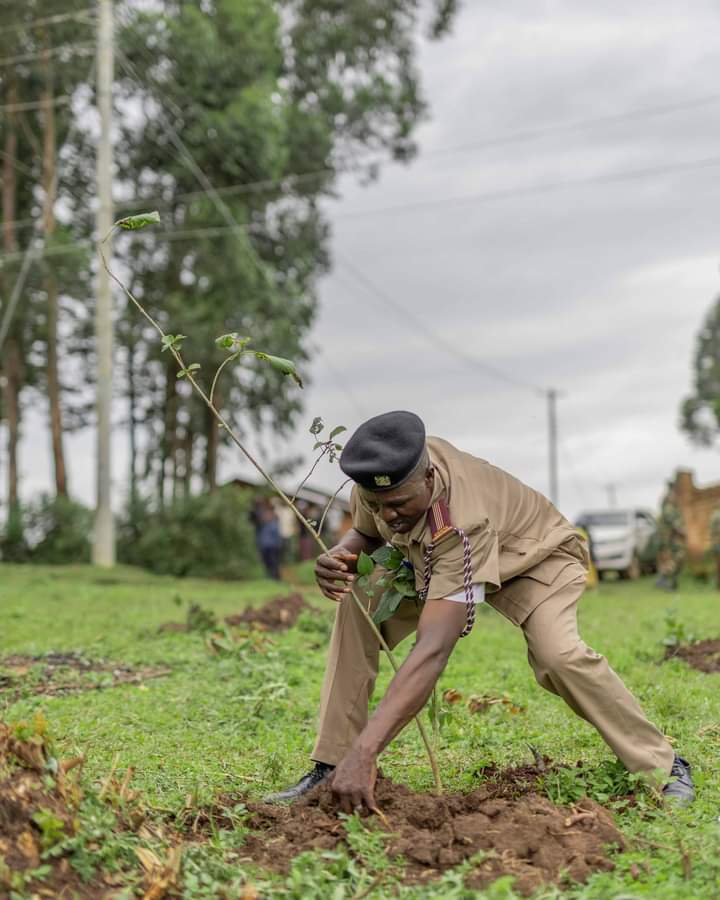
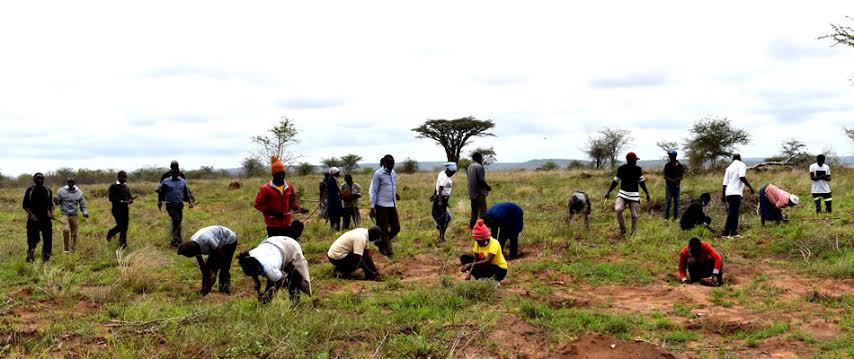
The goal of the tree planting initiative was to contribute to the conservation of the water towers and reduction of poverty levels in Bomet that is part of the Mau Water Tower as pilot regions. More than 20,000 tree seedlings were planted by more than 200 farmers as well as 800 tree seedlings planted by two schools (Chemaner and Kipkoligo). An assorted certified seeds were also purchased from KEFRI and given to famers, and as a result more than 63 nursery beds established comprising of different species of indigenous trees. Currently, farmers are selling extra seedlings to get an income.

The 20000 tree rally in Bomet, Kenya.
Design a site like this with WordPress.com
Get started